Between February and June 2026, we held three deliberation panels in Barcelona’s Raval neighbourhood on inclusion in shared energy initiatives. These sessions were carried out as part of the CO-SUSTAIN project, which is funded by the European Commission.
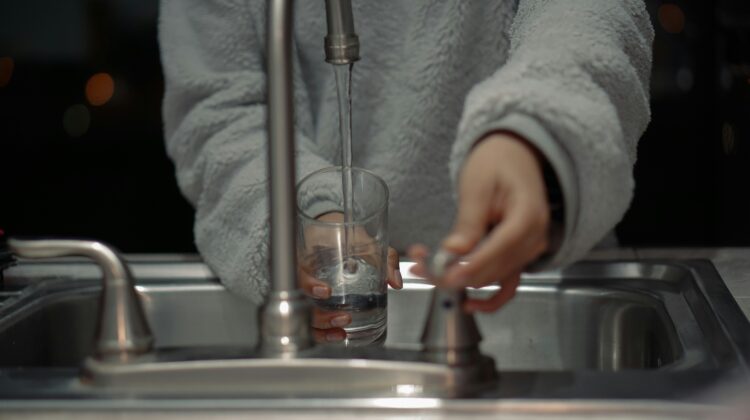
The discussions have used a pioneering project called ‘Shared Energy in the Raval’ as a starting point. Several organisations in the neighbourhood are promoting this energy initiative, which involves installing photovoltaic panels on the roofs of participating entities and sharing 10% of the energy produced with vulnerable families.
Results of the CO-SUSTAIN deliberative sessions
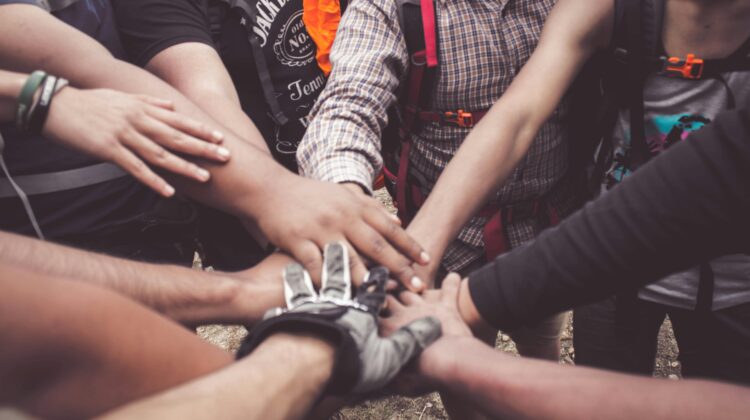
A total of 33 people participated, including 10 organisations from Raval and 18 external organisations from the public and third sectors. Participants came from various areas, including energy planning, supporting energy communities, territorial coordination, and tackling energy poverty.

During the initial sessions, which took place at MACBA, a systemic analysis of the challenge of making energy communities more inclusive was conducted. The last session, held on 5 June at the Ravalora’t space, used the leverage points identified in these systemic maps to develop a Theory of Change. This methodology enables us to develop a shared vision and a roadmap of desired changes associated with specific activities and actions.
The diversity of the agents involved enriched the discussions, enabling the development of a Theory of Change which proposes ways in which local governments can better support and coordinate with citizen energy initiatives to guarantee their success.
More about the Co-SUSTAIN project
The CO-SUSTAIN project aims to define and co-create new democratic pathways. Through analysing the impact of citizen initiatives, it aims to provide policymakers with the tools necessary to support various forms of political participation and empower citizens in the sustainable transition.
Following an analysis of 18 historical cases of political participation, deliberative sessions involving citizen initiatives were held in Barcelona and Granada (Spain), Turin (Italy), Tartu (Estonia), Espoo (Finland) and Vienna (Austria).
You can find all the information about the project here.
Related projects


Funded by the European Union. Views and opinions expressed are however those of the author(s) only and do not necessarily reflect those of the European Union or CINEA. Neither the European Union nor the granting authority can be held responsible for them.